Indonesia's 2026 Banking Reform and Its Impact on Bali's Real Estate Market
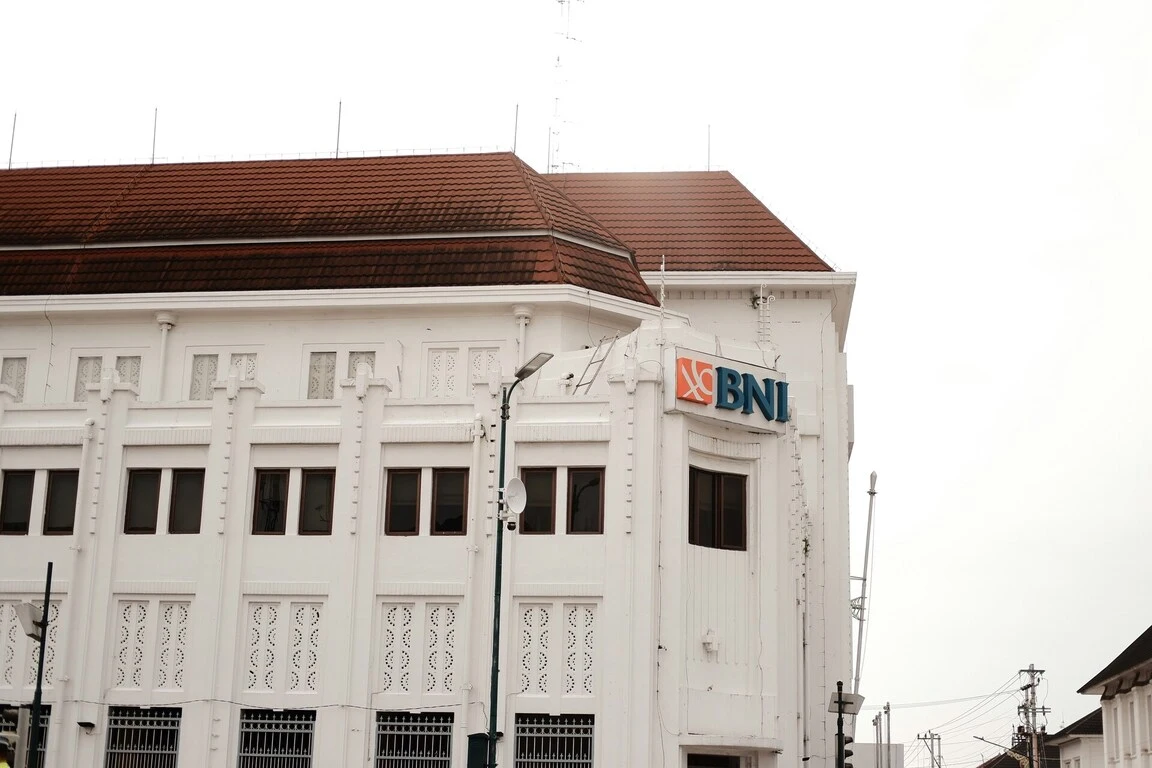
For decades, Bali's real estate market thrived in a regulatory twilight zone where high yields came with high risks, and "off-the-books" transactions were the norm. However, starting in March 2026, Indonesia will trigger a comprehensive transformation of its financial ecosystem, effectively ending the island's reputation as a playground for informal capital and transitioning it into a sophisticated institutional asset class.
The FATF Membership: Indonesia's Strategic Pivot
This evolution is not merely a local policy update; it is the culmination of Indonesia's strategic pivot toward global financial legitimacy. In October 2023, the nation achieved full membership in the Financial Action Task Force (FATF), the global watchdog for money laundering and terrorist financing. For a country of 17,000 islands, this move was a declaration of intent: Indonesia is no longer willing to be a high-risk outlier. By 2026, the banking system will deploy a sophisticated architecture of AI-driven automated monitoring, rigorous "Know Your Customer" (KYC) protocols, and mandatory international data exchange.
What's Now Classified as High-Risk
In this new environment, the "gray economy" is being systematically eliminated. Developers who once navigated the market through opaque corporate structures or informal financing now face a wall of transparency. Opening and maintaining bank accounts today requires exhaustive documentation that was unthinkable five years ago. Financial regulators now utilize systemic analysis to flag atypical transactions, making semi-legal schemes not only technically difficult but financially ruinous.
The traditional hallmarks of the Bali boom - cash-heavy transactions, P2P cryptocurrency transfers, and "exclusive" deals built on personal connections - are now classified as high-risk red flags. To survive in this new era, developers must demonstrate an impeccable banking history, a transparent corporate lineage, and a verified source of funds.
Institutional Capital and Investment Standards
This regulatory tightening is acting as a natural filter, separating professional developers from opportunistic amateurs. The structured investment space now emerging is precisely what global institutional funds, family offices, and ultra-high-net-worth individuals have long awaited. For these investors, jurisdictional risk is often a deal-breaker; Indonesia's reform effectively removes that barrier, opening the door for large-scale institutional capital and sophisticated investment syndicates.
The rise of escrow structures as the new industry standard represents this professionalization. These mechanisms protect capital by ensuring funds are only released upon completion of verified milestones. While the threshold for entry has risen due to costs of legal auditing and compliance, the resulting level of capital protection has increased exponentially.
The Bottom Line
Bali is shedding its image as a speculative, volatile market. The reputational baggage of chaotic construction and regulatory ambiguity is being replaced by a model built on predictability and stability. For serious investors, the message is clear: the "Wild West" era is over. In its place, a transparent, globally integrated investment hub is emerging - where the only sustainable currency is compliance.
Related Articles

Bali Construction Freeze: What Investors Need to Know for Q4 2025
Bali's real estate market faces a 'hard reset' in late 2025. Learn how new construction rules and permit freezes affect your investment safety.

How to Buy Land in Bali. Complete Guide for Foreign Investors
Complete guide for foreign investors on land investment in Bali: legal aspects, zoning system, location selection, 2025-2026 prices, and step-by-step purchase instructions.